

There are few human expressions as raw and unfiltered as crying. Tears signal something deep, something real, something that words often fail to capture. For most people, witnessing someone cry triggers empathy, concern, or a natural impulse to comfort. But for a smaller group of people, tears trigger something else entirely: sexual or emotional arousal.
This phenomenon has a name. It is called dacryphilia, and while it might sound clinical or even alarming at first, the psychology behind it is genuinely fascinating and far more layered than most people expect.
Whether you stumbled across this term online, heard it discussed in a podcast about human sexuality, or are simply curious about the wider spectrum of fetish behavior, this article breaks it all down. We will explore the dacryphilia meaning, the different ways it manifests, the psychological underpinnings, and how consent and care play a central role in any healthy expression of this kink.
What Is Dacryphilia? The Core Meaning Explained
Dacryphilia, sometimes also called dacrylagnia, refers to a paraphilia in which a person derives sexual arousal or intense emotional stimulation from watching another person cry. The word itself comes from the Greek “dakryon,” meaning tear, and “philia,” meaning love or attraction.
Put simply, it is a tears fetish. But that simple definition barely scratches the surface.
For some people, it is purely visual. The sight of tears rolling down someone’s face, the trembling of a chin, the red flush of emotional overwhelm: these become powerful arousal triggers. For others, it goes deeper into the emotional layer. It is not just the tears themselves but what those tears represent: total vulnerability, authenticity, and a complete dropping of social masks.
It is worth noting that dacryphilia is classified as a paraphilia, which means it is a non-normative sexual interest. That does not automatically make it harmful. The distinction that mental health professionals draw is between paraphilias that are consensual and those that involve harm or non-consent. Dacryphilia, when practiced between consenting adults, falls into the former category.
The Psychology Behind the Crying Fetish

Why Would Someone Be Attracted to Tears?
This is the question most people ask first, and it is a fair one. On the surface, it seems counterintuitive. Crying is associated with pain, grief, or distress. Why would that be attractive?
The answer lies in what crying actually communicates on a deeper psychological level.
Crying is one of the most authentic things a human being can do. When someone cries in front of you, they are not performing. They are not hiding behind politeness or social convention. They are exposed, real, and completely present in a way that most daily interactions never allow. For people with dacryphilia, that emotional transparency becomes intensely compelling.
There is also a significant power dynamic at play. Tears signal vulnerability, and vulnerability is deeply intertwined with trust. To cry in front of someone means trusting them enough to be seen at your most unguarded. That dynamic of emotional submission and the trust it implies can be powerfully erotic in the right context.
The Role of Empathy and Nurturing Instincts
Not everyone with a crying fetish is drawn to it from a place of dominance or control. A substantial portion of dacryphiles are attracted to tears because of heightened empathetic responses. The sight of someone crying activates their nurturing instincts at an intense, almost overwhelming level. The comfort-and-arousal loop that develops can feel very difficult to separate or explain.
This overlaps with what psychologists call “compassion-based arousal,” where the impulse to protect or soothe someone becomes erotically charged. Think of how closely comfort, physical closeness, and intimacy are already linked in human bonding. For some people, that overlap simply runs deeper.
Psychological Conditioning and Learned Associations
Some researchers suggest that, like many fetishes, dacryphilia may develop through psychological conditioning, often during formative emotional experiences. If emotional intimacy and sexual or physical closeness were repeatedly associated during adolescence or early adulthood, the emotional trigger (crying, vulnerability, distress) can become a learned arousal cue.
This is consistent with broader research on how paraphilic behaviors develop. There is rarely a single cause. It tends to be a complex blend of temperament, early experience, emotional wiring, and personal history.
Shibari Meaning: Beginner Guide To Japanese Rope Bondage Art
Different Types of Dacryphiles: It Is Not One-Size-Fits-All
The Sadistic Dacryphile
Some people with this fetish are most accurately described as sadistic dacryphiles. Their arousal comes from being the cause of the tears. This might involve consensual humiliation play, emotional dominance, or structured BDSM scenarios in which one partner deliberately brings the other to the point of tears.
It is critical to emphasize that “sadistic” in this context does not mean cruel or abusive. Within the BDSM framework, sadism is a consensual dynamic where both partners have negotiated and agreed upon the experience. The submissive partner in this case may actively seek out that kind of emotional release and find deep satisfaction in it.
The Voyeuristic Dacryphile
Others are drawn to witnessing tears without being the cause. A voyeuristic dacryphile might be aroused by seeing their partner cry from a sad film, from stress, or during a deeply emotional conversation. There is no intent to cause distress; the attraction is simply to the act of witnessing authentic emotional expression.
The Comfort-Oriented Dacryphile
Then there are those whose arousal is inseparably linked to the act of comforting. For them, the full arc matters: witness the tears, respond with care, soothe the crying partner. The intimacy that unfolds in that caregiving moment becomes the erotic core of the experience.
Dacryphilia in BDSM and Power Play
Where Tears Fit into the Dominance and Submission Framework
Dacryphilia has a natural home within BDSM, particularly within dominance and submission dynamics. Crying is one of the most visible markers of emotional surrender. For a dominant partner, witnessing their submissive cry can signal that the scene has reached a place of genuine depth and intensity. For the submissive, crying can feel like a profound release, a physical and emotional catharsis that is both vulnerable and liberating.
This is why emotional distress fetish scenes, sometimes called “cathartic scenes” in BDSM communities, have become recognized and discussed openly. They are designed not to harm but to facilitate a deep emotional release within a safe, consensual container.
Humiliation Play and Emotional Tears
A subset of dacryphilia-adjacent kink involves humiliation play, where emotional distress is deliberately invoked through words, scenarios, or psychological pressure. When this leads to tears, the dominant partner may experience intense gratification, and the submissive may feel an equally intense emotional release.
Again, this only functions ethically when both partners have fully negotiated the terms, understand the risks, and have robust aftercare in place.
The Importance of Aftercare
Aftercare is non-negotiable in any BDSM context, but it is especially critical when emotional vulnerability is part of the scene. After a crying fetish dynamic or any emotionally intense encounter, the submissive partner needs time, gentleness, and reassurance. This might mean physical comfort, soft conversation, blankets, food, or simply presence.
Neglecting aftercare in emotionally charged kink scenes can lead to what is often called “sub drop,” a crash of emotions that can feel overwhelming and destabilizing. A responsible dominant partner always plans for this.
Consent, Communication, and Healthy Boundaries
Why Consent Is Everything
No conversation about dacryphilia or any fetish behavior is complete without a serious discussion of consent. The fetish itself is not the problem; how it is practiced can be.
If someone is manufacturing situations outside a relationship to make their partner cry without consent or knowledge, that crosses a line from kink into emotional manipulation. The same applies to any scenario where the crying partner has not agreed to that dynamic or does not understand the role their tears are playing.
Healthy dacryphilia requires open communication. Partners need to discuss what is happening, what they enjoy, what their limits are, and what they need afterward. It sounds clinical when stated plainly, but in practice, these conversations tend to build extraordinary levels of trust.
How to Bring It Up with a Partner
If you have noticed that you are drawn to your partner’s tears or to emotional vulnerability in an erotic context, approaching that conversation thoughtfully matters. Lead with honesty rather than framing it as a demand. Share what you have noticed about yourself, invite curiosity rather than defensiveness, and give your partner time to process.
Many couples who navigate kink conversations well will tell you that the conversation itself becomes a form of intimacy. Emotional trust and sexual trust often move in the same direction.
Is Dacryphilia Common? What the Research Suggests
Hard numbers on dacryphilia specifically are limited. Most large-scale research on paraphilias focuses on the more broadly studied categories, and crying fetish remains relatively under-researched as a standalone subject.
What we do know from broader paraphilia research is that non-normative sexual interests are far more common than most people assume. A notable Canadian study published in the Journal of Sex Research found that nearly half of respondents reported interest in at least one paraphilic behavior. A significant portion reported acting on those interests.
So while dacryphilia is not the most commonly discussed fetish, it is almost certainly more widespread than popular culture acknowledges. Online fetish communities dedicated to the topic have grown considerably in the last decade, which suggests both greater awareness and greater willingness to engage openly.
Dacryphilia vs. Emotional Intimacy: Where Is the Line?
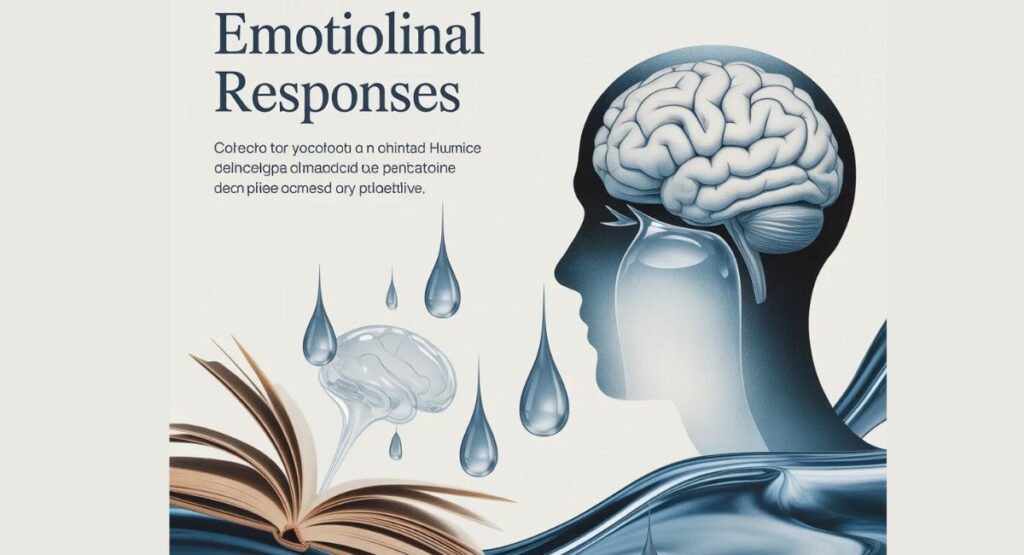
This is a genuinely interesting question that comes up often. Is every person who finds their partner’s tears moving or beautiful experiencing dacryphilia? Not necessarily.
Feeling tenderness, protectiveness, or closeness when a partner cries is a completely typical human response. What distinguishes dacryphilia is when those tears become a primary or consistent source of sexual arousal rather than simply deepening emotional connection.
The line is not always sharp, and many people occupy a space somewhere in between, where emotional vulnerability and erotic experience are deeply intertwined without fitting neatly into any single label. Human sexuality is, after all, rarely tidy.
Frequently Asked Questions
What exactly does dacryphilia mean?
Dacryphilia is a paraphilia in which a person experiences sexual or intense emotional arousal from watching another person cry or express emotional distress through tears. It can stem from attraction to vulnerability, power dynamics, empathy, or nurturing instincts, and it varies significantly from person to person.
Is a crying fetish considered normal?
“Normal” is a tricky word when it comes to sexuality. Dacryphilia is classified as a paraphilia, meaning it falls outside statistically typical sexual interests. However, it is not considered a disorder unless it causes significant distress or involves non-consensual behavior. Many people with this fetish live entirely healthy, fulfilling lives and relationships.
Can dacryphilia be part of a healthy relationship?
Absolutely, provided it is discussed openly and practiced with full consent. Many couples integrate emotional vulnerability and even consensual crying into their intimacy without harm. The key ingredients are transparency, communication, and aftercare.
Why do some people find crying attractive?
The attraction often centers on emotional authenticity and vulnerability. Crying strips away social performance and reveals a person in a genuine, unguarded state. For dacryphiles, that raw emotional transparency can be deeply compelling. Power dynamics, nurturing instincts, and learned psychological associations also contribute.
Is dacryphilia the same as wanting to see someone suffer?
Not inherently. Many people with dacryphilia have no interest in causing pain or distress. Some are drawn to the beauty of tears in moments of emotional release, catharsis, or deep feeling rather than suffering. Where sadistic elements are present, they typically exist within consensual BDSM frameworks.
How is dacryphilia different from emotional manipulation?
The difference comes down entirely to consent. Within an agreed-upon dynamic, a partner choosing to engage with this fetish is exercising autonomy. Manipulation involves deliberately causing distress without a partner’s awareness or agreement. One is a consensual kink; the other is harm.
Final Thoughts
Dacryphilia is one of the many ways human sexuality extends beyond the conventional, touching places where emotion, power, vulnerability, and connection intertwine in ways that can be genuinely hard to articulate. At its heart, it is about being moved by the most honest expression a person can offer.
Like any fetish or non-normative desire, what matters most is not the interest itself but the way it is held and practiced. When consent, communication, and care anchor the experience, dacryphilia can be an avenue for extraordinary intimacy. When those elements are absent, no kink, crying-related or otherwise, stays healthy for long.
Understanding yourself and being honest with the people you are intimate with will always be the foundation worth building on.