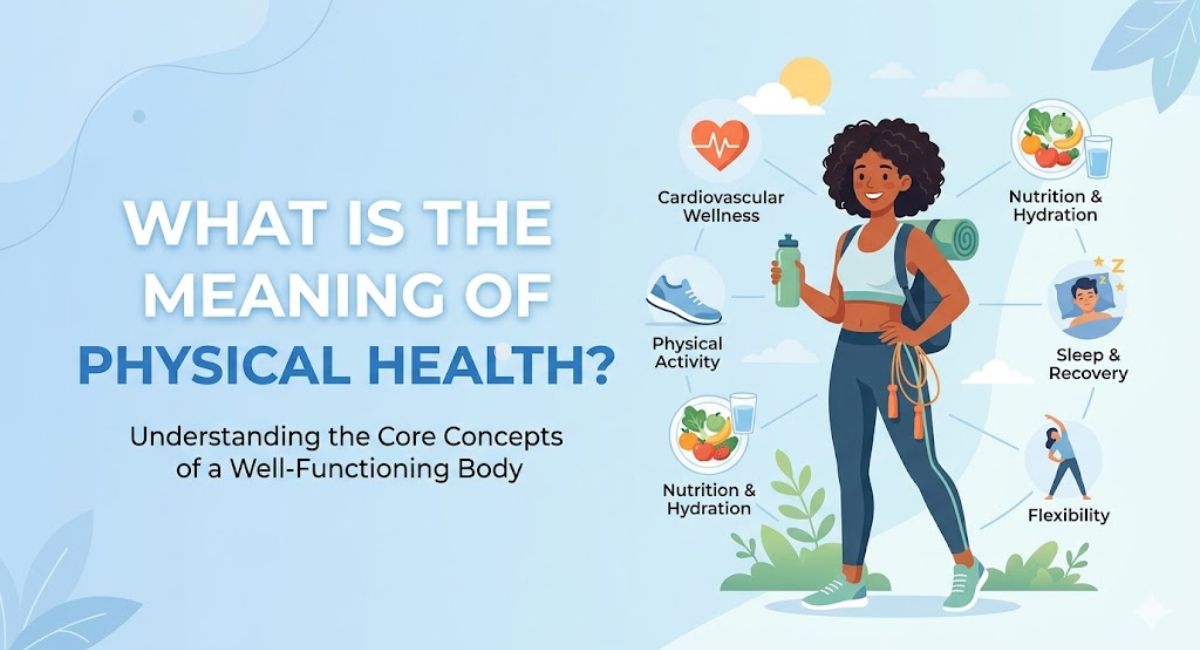

Physical health is one of the most important parts of living a happy and productive life. It affects how your body functions, how much energy you have, and how well you handle everyday activities. When people ask, “what is the meaning of physical health,” they are usually trying to understand how the body stays healthy, strong, and active.
Good physical health goes beyond simply avoiding illness. It includes proper nutrition, regular exercise, quality sleep, stress management, and healthy lifestyle habits. A healthy body supports better movement, stronger immunity, improved mood, and long-term wellness.
In today’s fast-paced world, maintaining physical wellness has become more important than ever. Poor eating habits, lack of physical activity, stress, and unhealthy routines can negatively impact overall health. Understanding physical health helps people make smarter decisions that improve their quality of life and reduce chronic disease risk.
What Is the Meaning of Physical Health?
Definition of Physical Health
Physical health refers to the condition of the body and how well its systems function together. It includes maintaining healthy organs, proper bodily processes, physical fitness, and overall body wellness.
A person with good physical health typically has:
- Strong cardiovascular endurance
- Healthy body composition
- Good muscular strength
- Proper sleep patterns
- Stable energy levels
- Efficient body movement
Physical wellness also means the body can perform daily tasks without excessive fatigue or physical stress. Healthy body systems such as the nervous system, digestive system, immune system, and circulatory system all work together to support wellbeing.
Physical Health vs Overall Wellness
Many people confuse physical health with overall wellness. While they are connected, they are not the same thing.
Physical health focuses on the body’s condition and physical functioning. Overall wellness includes mental health, emotional wellbeing, social relationships, and lifestyle balance.
For example, someone may exercise regularly but still experience poor emotional balance due to chronic stress. True wellness happens when physical and mental health support each other.
Why Physical Health Is Important
Improves Quality of Life
Good physical health makes everyday activities easier and more enjoyable. People with healthy lifestyles often experience:
- Higher energy levels
- Better mobility
- Improved flexibility
- Stronger endurance
- Better physical performance
Simple activities like climbing stairs, carrying groceries, or playing with children become easier when the body functions efficiently.
Helps Prevent Chronic Diseases
One of the biggest benefits of physical health is disease prevention. Healthy habits reduce the risk of many serious conditions, including:
- Heart disease
- Type 2 diabetes
- Obesity
- High blood pressure
- Stroke
- Certain cancers
Regular exercise and balanced nutrition help maintain healthy organs and improve immune resilience.
Supports Longer Life Expectancy
Healthy living contributes to longer and healthier lives. People who maintain physical wellness often experience better cardiovascular health, improved circulation efficiency, and stronger immune support.
Daily wellness habits help the body repair itself and maintain stable bodily functions over time.
Main Components of Physical Health
Regular Physical Activity
Physical activity is essential for maintaining body fitness and movement efficiency.
Different forms of exercise support different aspects of physical wellness:
Aerobic Exercise
Aerobic activities improve cardiovascular endurance and oxygen delivery throughout the body.
Examples include:
- Walking
- Running
- Cycling
- Swimming
Strength Training
Strength training improves muscular strength and muscle resilience. It also supports healthy weight management and bone health.
Examples include:
- Resistance training
- Bodyweight exercises
- Weightlifting
Flexibility Exercises
Flexibility training improves range of motion and injury prevention.
Popular options include:
- Yoga
- Stretching exercises
- Pilates
Healthy Nutrition and Balanced Diet
Nutrition plays a major role in physical health. The body needs nutrient-dense foods to maintain energy, repair tissues, and support organ function.
A balanced diet should include:
- Lean proteins
- Healthy fats
- Complex carbohydrates
- Vitamins and minerals
- Fruits and vegetables
Hydration is equally important. Drinking enough water supports digestion, circulation, and temperature regulation.
Sleep and Recovery
Quality sleep is essential for recovery and health maintenance. During sleep, the body repairs muscles, restores energy, and supports brain recovery.
Poor sleep can lead to:
- Fatigue
- Reduced cognitive performance
- Weak immune function
- Mood problems
Adults generally need seven to nine hours of quality sleep each night for optimal wellness.
Stress Management
Chronic stress can negatively affect both mental and physical health. High stress levels may increase muscle tension, disrupt sleep patterns, and weaken immune support.
Effective stress management techniques include:
- Meditation
- Exercise
- Deep breathing
- Self-care practices
- Spending time outdoors
Managing stress improves emotional wellbeing and overall body wellness.
Preventive Healthcare
Routine medical care is another important part of physical wellness. Preventive healthcare helps detect health problems early before they become serious.
Examples include:
- Regular doctor visits
- Blood pressure monitoring
- Health screenings
- Vaccinations
Healthcare access plays a critical role in long-term disease prevention and healthy living.
The Connection Between Mental and Physical Health
How Stress Affects the Body
Mental health and physical health are deeply connected. Emotional stress often creates physical symptoms such as:
- Headaches
- Muscle tension
- Sleep disruption
- Digestive problems
- Low energy
Long-term stress may also increase chronic disease risk.
Benefits of Positive Mental Wellness
Strong emotional wellbeing can improve physical performance and overall health. Positive mental health often supports:
- Better exercise consistency
- Improved mood
- Better sleep quality
- Stronger focus
- Increased motivation
The mind-body connection plays a major role in long-term wellness habits.
Allistic Meaning Explained Simply in Modern Neurodiversity Terms
Physical Fitness and Body Wellness
Cardiovascular Health
Cardiovascular fitness supports healthy blood circulation and heart function.
Activities that improve heart health include:
- Jogging
- Dancing
- Swimming
- Cycling
Good cardiovascular endurance helps the body deliver oxygen efficiently to muscles and organs.
Muscular Strength and Endurance
Muscle fitness helps improve movement efficiency and body stability.
Strong muscles support:
- Better posture
- Injury prevention
- Joint support
- Daily physical functioning
Resistance training strengthens major muscle groups and improves overall physical conditioning.
Flexibility and Mobility
Body mobility improves movement balance and reduces stiffness. Flexibility exercises also help lower injury risk and support physical performance.
Consistent stretching can improve:
- Joint mobility
- Muscle recovery
- Physical comfort
- Athletic performance
Healthy Body Composition
Body composition refers to the ratio of body fat to lean muscle mass. Maintaining a healthy body composition supports metabolic health and physical wellness.
Healthy habits such as exercise and balanced meals help maintain stable body weight and long-term health.
Healthy Habits That Improve Physical Health
Drinking Enough Water
Hydration supports body regulation, digestion, and healthy circulation. Drinking water regularly also helps maintain energy levels.
Staying Physically Active Daily
Daily movement improves cardiovascular fitness and overall body wellness. Even short walks can improve health outcomes.
Following Healthy Sleep Habits
Consistent sleep routines improve sleep quality and performance recovery.
Avoiding Harmful Lifestyle Choices
Limiting smoking, excessive alcohol consumption, and unhealthy eating habits supports long-term physical health.
Creating a Sustainable Wellness Routine
Small healthy habits practiced consistently often create better long-term results than short-term extreme changes.
Environmental and Workplace Factors Affecting Physical Health
Environmental Health Risks
Environmental health can directly impact physical wellness. Poor air quality, toxic exposure, and contaminated water may contribute to respiratory issues and digestive problems.
Reducing environmental risk factors supports healthier living conditions.
Workplace Wellness and Ergonomics
Modern workplaces can affect physical health through long sitting hours and limited movement.
Helpful workplace wellness strategies include:
- Sit-stand desks
- Stretch breaks
- Ergonomic chairs
- Active commuting
- Workplace wellness programs
Healthy workplace habits improve physical energy and occupational wellness.
How to Maintain Good Physical Health Long Term
Set Realistic Health Goals
Small achievable goals help build lasting healthy habits.
Build Consistent Wellness Habits
Consistency matters more than perfection. Daily healthy choices create sustainable health practices.
Track Physical Fitness Progress
Tracking workouts, sleep, and nutrition can help maintain motivation and improve wellness consistency.
Continue Learning About Health Education
Health awareness and preventive health education help people make informed decisions about their wellbeing.
Frequently Asked Questions
What is the simple meaning of physical health?
Physical health means the body functions properly and can perform daily activities efficiently without illness or excessive fatigue.
Why is physical health important in daily life?
Good physical health improves energy, mobility, mental wellbeing, and disease prevention while supporting a better quality of life.
What are the five components of physical health?
The main components include cardiovascular endurance, muscular strength, muscular endurance, flexibility, and healthy body composition.
How can I improve my physical wellness naturally?
You can improve physical wellness through regular exercise, healthy eating, proper hydration, quality sleep, and stress management.
How does mental health affect physical health?
Mental health affects sleep, energy levels, stress hormones, immune function, and physical performance. Chronic stress can negatively impact the body over time.
What foods support good physical health?
Nutrient-dense foods such as fruits, vegetables, whole grains, lean proteins, and healthy fats support physical wellness and overall health.
Conclusion
Understanding what is the meaning of physical health helps people recognize the importance of caring for their bodies every day. Physical wellness supports healthy organs, strong muscles, stable energy levels, and better overall functioning. It also improves quality of life and lowers the risk of chronic diseases.
Maintaining good physical health does not require perfection. Small healthy habits such as regular exercise, balanced nutrition, proper sleep, and stress management can create lasting improvements over time. A healthy body supports a healthier and more fulfilling life.