
When shopping for a new toilet, you may come across the term “trapway” and wonder what it actually means. Many homeowners focus on appearance, flushing power, or water efficiency while ignoring one of the most important parts of the toilet design.
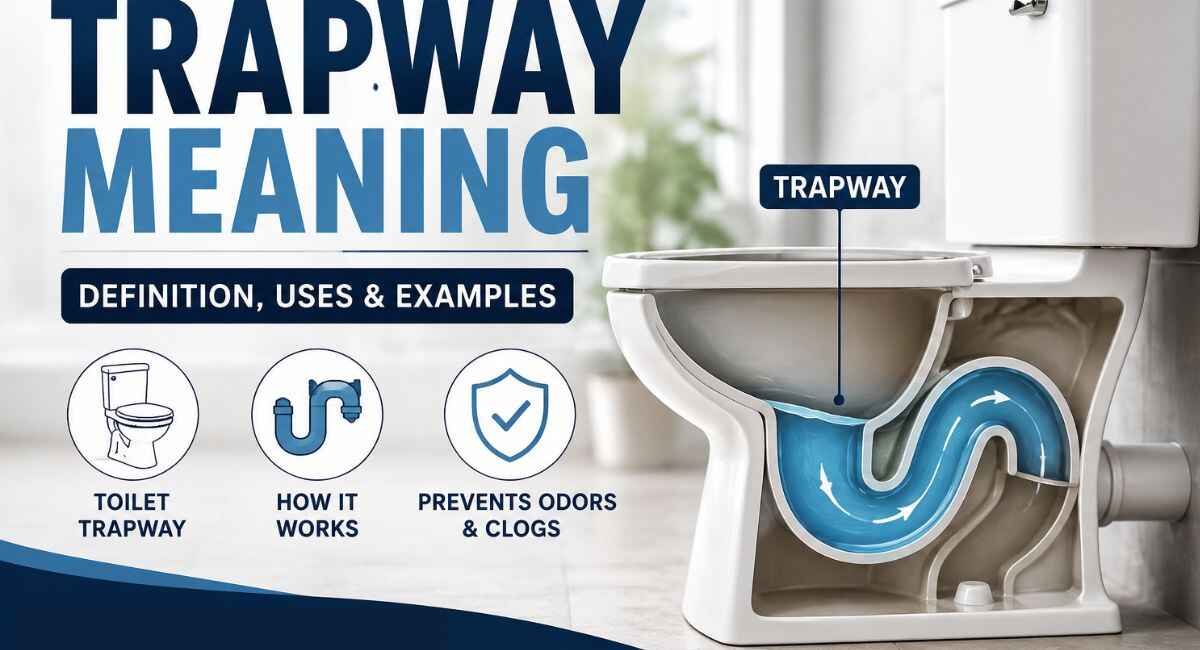
A toilet trapway is the curved internal passage that moves wastewater from the toilet bowl into the drainpipe. It also creates a water seal that prevents dangerous sewer gases from entering your bathroom. Without a properly designed trapway, even an expensive toilet can suffer from weak flushing performance, frequent clogs, and unpleasant odors.
Today’s toilet manufacturers pay close attention to trapway design because it directly affects clog resistance, cleaning ease, noise reduction, and overall bathroom hygiene. You’ll also notice terms like exposed trapway toilet, skirted trapway toilet, and fully glazed trapway during your search.
Interestingly, “trapway” also appears in social media slang and rap culture with a completely different meaning. This article covers both interpretations while giving you a complete understanding of trapway plumbing systems.
What Is a Trapway in Plumbing?
Simple Definition of a Toilet Trapway
A toilet trapway is the hidden curved channel inside the toilet bowl that carries waste into the plumbing system. You can think of it as the toilet’s internal drain pathway.
This curved passage performs two major jobs:
- Removes wastewater efficiently
- Holds standing water to block sewer gases
The trapway works together with the flushing mechanism to create smooth wastewater flow into the municipal sewer line or septic system.
How a Trapway Works Inside a Toilet
When you flush the toilet, water rushes into the bowl rapidly. This creates siphon action inside the toilet bowl trap. The siphon effect pulls waste through the plumbing passage and into the drainpipe.
After flushing finishes, a small amount of water remains inside the curved section. This water seal acts as a barrier against sewer gases.
Without this seal, unpleasant odors and harmful gases could travel back through the plumbing system into your bathroom.
Trapway vs P Trap Plumbing
People often confuse a toilet trapway with a p-trap plumbing system found under sinks.
A sink p-trap is a visible U-shaped pipe installed beneath sinks and drains. A toilet trapway, however, is built directly into the porcelain toilet body.
Here’s the difference:
| Feature | Toilet Trapway | Sink P Trap |
| Location | Inside toilet bowl | Under sink |
| Visibility | Hidden | Visible |
| Purpose | Waste removal and gas blocking | Gas blocking and drainage |
| Shape | Curved siphon passage | U-shaped pipe |
Both systems help with wastewater drainage and sewer odor prevention.
Why Toilet Trapways Matter
Flushing Performance and Clog Prevention
The quality of a trapway directly affects flushing performance. A poorly designed toilet drain channel can cause recurring clogs and weak flushing.
Modern toilets now use:
- Larger trapway diameter
- Smooth waste flow pathways
- Fully glazed trapways
- Improved siphon design
These upgrades create stronger flushing power while reducing the chance of blockages.
A large-diameter trapway is especially helpful for families and high-use bathrooms.
Sewer Odor Prevention
One of the most important jobs of a trapway is preventing sewer gases from escaping into your home.
The standing water inside the trapway forms a drain gas barrier. This protects indoor air quality and improves bathroom hygiene.
If the water seal disappears due to evaporation or plumbing problems, sewer odors may enter the room.
Impact on Toilet Noise and Water Usage
Modern trapway flushing systems also help reduce flushing noise while improving water efficiency.
High-efficiency toilets now combine:
- Water-saving toilet technology
- Optimized siphon action
- Smooth porcelain glaze
- Improved flush valve engineering
This balance delivers strong flushing without wasting excessive water.
What Does Rollback Mean on Walmart? A Smart Shopper’s Guide to Real Savings
Different Types of Toilet Trapway Designs
Exposed Trapway Toilet
An exposed trapway toilet features a visible curved toilet trap on the outside base.
This traditional toilet design is common in older homes and budget-friendly bathroom fixtures.
Benefits include:
- Easier DIY toilet installation
- Lower purchase cost
- Simpler plumbing access
However, exposed curves can collect dust and grime over time.
Skirted Trapway Toilet
A skirted trapway toilet uses a concealed trapway with smooth sides covering the plumbing curves.
These modern toilet designs create a sleek bathroom appearance and minimalist profile.
Benefits include:
- Easy-to-clean toilet base
- Hidden plumbing design
- Stylish modern appearance
- Reduced dust buildup
Many luxury bathrooms now prefer skirted toilets because of their clean aesthetic.
Fully Glazed Trapway
A fully glazed trapway includes a smooth porcelain coating inside the toilet passage.
This glazed toilet passage reduces friction during flushing and improves waste flow.
Benefits include:
- Better clog resistance
- Easier flushing
- Improved toilet bowl performance
- Reduced residue buildup
Fully glazed siphons are especially useful in high-traffic bathrooms.
Skirted vs Exposed Trapway Toilets
Appearance and Bathroom Style
Skirted toilets create a smooth-sided appearance that works well in modern bathrooms.
Exposed trapway toilets look more traditional and display the visible plumbing curves.
Homeowners aiming for a minimalist bathroom usually choose concealed trapway designs.
Cleaning and Maintenance Differences
Cleaning is one of the biggest differences between the two styles.
Exposed toilet bases contain curves and corners where dust collects easily.
Skirted toilets provide a flat, smooth exterior that wipes clean quickly.
That’s why many homeowners searching for easy-clean toilet options prefer concealed trapway models.
Installation Complexity
Exposed trapway toilets are generally easier to install.
Skirted models often require:
- Hidden mounting bolts
- Side access holes
- Precise toilet flange alignment
Although installation can take longer, many homeowners feel the cleaner appearance is worth it.
Understanding Trapway Size and Flushing Power
What Is the Best Trapway Size for Toilets?
Most standard toilets use a trapway size between 2 and 2.5 inches.
A larger trapway diameter improves waste movement and reduces clog risk.
For households seeking no-clog toilet systems, larger trapways are often the better option.
How Trapway Size Affects Flushing
Trapway size plays a major role in flush efficiency.
A wider drain channel allows solid waste to pass more smoothly during siphon action.
Benefits include:
- Stronger flush performance
- Fewer clogs
- Faster bowl clearing
- Better water flow performance
Many premium toilets advertise large trapway systems specifically for clog-free flushing.
Siphonic vs Washdown Toilet Designs
There are two major toilet flushing technologies:
Siphonic Toilets
- Use siphon action
- Quieter flushing
- Better odor blocking
- Common in North America
Washdown Toilets
- Use direct water pressure
- Simpler flushing design
- Common in Europe and Asia
- Easier waste removal in some situations
Each system relies heavily on proper trapway engineering.
Common Trapway Maintenance and Cleaning Tips
How to Clean a Toilet Trapway Properly
Trapway cleaning helps maintain flushing power and bathroom hygiene.
You can clean the internal passage using:
- Toilet brushes
- Vinegar solutions
- Mineral deposit removers
- Flexible cleaning tools
Focus on the curved areas where buildup commonly forms.
Preventing Toilet Clogs
Simple habits can prevent most trapway issues.
Avoid flushing:
- Paper towels
- Wipes
- Hygiene products
- Excessive toilet paper
Regular maintenance also keeps wastewater flow smooth.
Signs Your Trapway Has Problems
Watch for these warning signs:
- Slow flushing
- Recurring clogs
- Gurgling sounds
- Sewer odors
- Incomplete bowl clearing
These symptoms may indicate partial blockages or poor trapway performance.
Choosing the Right Toilet Trapway Design
One Piece vs Two Piece Toilets
One-piece toilets often feature smoother concealed trapway construction.
Two-piece toilets may offer easier repairs and lower costs.
Both styles can provide strong flushing performance if the trapway design is engineered properly.
ADA Compliant and Smart Bidet Compatible Toilets
Modern bathroom fixtures now include:
- ADA-compliant skirted toilets
- Smart bidet compatibility
- High-efficiency flushing systems
- Easy-clean concealed trapways
These features improve comfort, accessibility, and hygiene.
Best Toilets for Modern Bathrooms
For modern homes, many buyers prioritize:
- Sleek bathroom aesthetics
- Hidden plumbing
- Strong flushing technology
- Quiet operation
- Water-saving performance
Skirted and fully glazed trapway toilets often deliver the best balance of appearance and functionality.
IFG Meaning Explained in Text Messages for 2026 (Full Guide)
Trapway Meaning in Slang and Pop Culture
Trapway Meaning in Rap and Social Media
Outside plumbing, “trapway” has gained popularity in rap culture and social media slang.
In this context, it often refers to:
- Hustle culture
- Street lifestyle
- Trap mindset
- Ambition and survival mentality
You may see the term in TikTok captions, rap lyrics, and online discussions.
Why the Slang Meaning Is Different From Plumbing
The slang usage has no connection to toilets or plumbing systems.
Instead, it evolved from the word “trap,” which commonly refers to street hustle culture in music and entertainment communities.
The plumbing meaning remains the original technical definition.
Frequently Asked Questions
What is a toilet trapway?
A toilet trapway is the curved internal channel that carries waste from the toilet bowl into the drainpipe while blocking sewer gases with a water seal.
What is the difference between skirted and exposed trapway toilets?
Skirted toilets hide the trapway behind smooth sides, while exposed trapway toilets show the plumbing curves openly.
Does a larger trapway prevent clogs?
Yes. Larger trapway sizes improve wastewater flow and reduce the likelihood of toilet clogs.
What does fully glazed trapway mean?
A fully glazed trapway has a smooth porcelain coating inside the toilet passage to improve flushing and reduce buildup.
How does a trapway stop sewer gases?
The trapway holds standing water after flushing. This water seal blocks sewer gases from entering the bathroom.
Is a skirted toilet harder to install?
Usually yes. Concealed trapway toilets often require hidden bolt systems and more careful alignment during installation.
Final Thoughts
Understanding the trapway meaning helps you make smarter decisions when buying or maintaining a toilet. The trapway affects flushing power, clog resistance, odor control, cleaning ease, and overall bathroom comfort. A well-designed trapway can improve both performance and appearance in modern bathrooms.
Whether you choose an exposed trapway toilet or a sleek skirted design, focusing on flushing technology, trapway size, and glaze quality will help you find a toilet that performs reliably for years. Modern trapway engineering has transformed ordinary toilets into highly efficient bathroom fixtures built for hygiene, convenience, and long-term durability.