
Text messaging is something most people use every day, but not everyone knows “what SMS meaning in text?”. Actually it is the basic system that allows you to send short text messages from one phone to another using a mobile network communication system. It does not need the internet and works on almost every phone, which makes it a reliable messaging system even today.
From personal chats to business communication tools, SMS plays a key role in staying connected, and understanding how this SMS technology works can help you use it more effectively in daily life
What Is SMS Meaning in Text?
SMS meaning in text refers to Short Message Service, a communication method that enables the exchange of short text messages between mobile devices.
Key Characteristics of SMS:
- Limited to 160 characters per message
- Works through cellular networks (not Wi-Fi or internet)
- Supported by all mobile phones
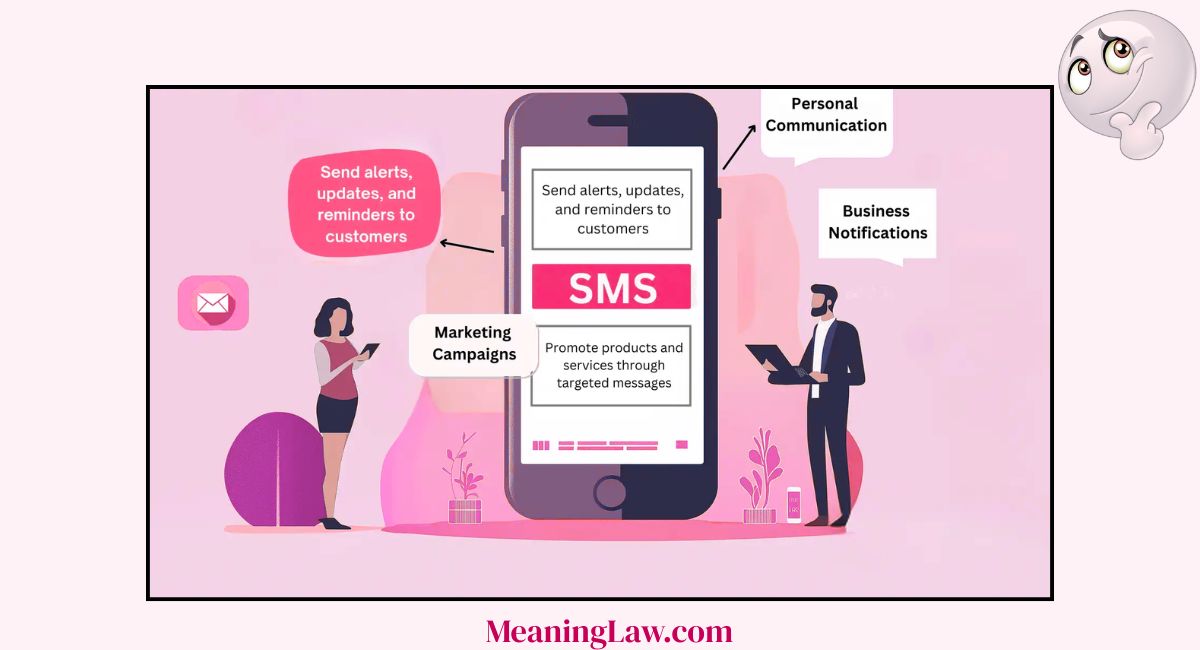
- Used for both personal and business communication
Unlike modern messaging apps, SMS doesn’t require data or an internet connection it works purely through your mobile carrier.
How SMS Works (Step-by-Step)
Understanding how SMS works helps you see why it’s still so reliable.
The SMS Process:
- You type and send a message from your phone
- The message is sent to an SMSC (Short Message Service Center)
- The SMSC processes and routes the message
- It is delivered to the recipient’s mobile device
- The recipient receives the message instantly (or when available)
This system relies on network signaling channels, not data networks, making it incredibly stable—even in low-signal areas.
SMS vs Texting: Are They the Same?
This is one of the most searched questions online.
Simple Answer:
- SMS = the technology
- Texting = the action
So when you say “I’m texting,” you’re usually using SMS but technically, texting can also include apps like WhatsApp or iMessage.
Key Differences:
| Feature | SMS | Messaging Apps |
| Internet Required | ❌ No | ✅ Yes |
| Message Type | Text only | Text + media |
| Compatibility | Universal | App-specific |
| Speed | Fast | Fast |
SMS vs MMS vs Messaging Apps
To fully understand SMS meaning in text, you should know how it compares to other messaging types.
1. SMS (Short Message Service)
- Text-only messages
- 160-character limit
- No images or videos
2. MMS (Multimedia Messaging Service)
- Supports images, videos, and audio
- Requires more bandwidth
3. Messaging Apps (WhatsApp, iMessage)
- Internet-based
- Rich features (stickers, calls, media)
- Not dependent on cellular SMS infrastructure
Real-Life Examples of SMS in the USA
SMS is still widely used across the United States in everyday life.
Common Use Cases:
- Bank Alerts
You receive a text when a transaction happens on your account. - Two-Factor Authentication (2FA)
Websites send a one-time passcode (OTP) via SMS for secure login. - Appointment Reminders
Doctors and salons send reminders to reduce no-shows. - Delivery Notifications
Companies like Amazon send updates about your package. - Emergency Alerts
Government agencies send weather or safety alerts via SMS.
Why SMS Is Still So Popular
Even in the age of apps, SMS remains a powerful communication tool.
Benefits of SMS:
- Works without internet
- 98% open rate (very high engagement)
- Instant delivery
- Universal compatibility
- Reliable in emergencies
Because of these advantages, businesses and governments still rely heavily on SMS communication.
SMS for Business Communication
Businesses in the USA use SMS for multiple purposes, especially in marketing and customer service.
Common Business Uses:
- SMS marketing campaigns
- Customer notifications
- Promotional offers
- Appointment confirmations
- Customer support messaging
Example Scenario:
A retail store sends a discount code via SMS:
“Get 20% off today! Show this message at checkout.”
This is called promotional SMS, and it’s highly effective due to its high open rate.
Key Features of SMS Technology
Here are the most important features that define SMS:
Core Features:
- Short text messages (160 characters)
- No internet required
- Uses GSM networks
- Fast and reliable delivery
- Low bandwidth communication
Technical Highlights:
- Uses GSM protocol
- Messages are stored in SMSC
- Supports delivery confirmation
- Can be integrated with SMS APIs
SMS Marketing: Why It Matters
SMS marketing has become a key strategy for businesses.
Benefits of SMS Marketing:
- High engagement rates
- Direct communication with customers
- Cost-effective campaigns
- Personalized messaging
- Real-time communication
Example:
A restaurant sends:
“Your table is ready. Reply YES to confirm.”
This is two-way SMS communication, allowing interaction.
Legal Aspects of SMS in the USA
When discussing SMS meaning in text, it’s important to understand legal rules especially for businesses.
Key Regulations:
- User Consent Required (Opt-in)
- Must provide opt-out option
- Follow CTIA guidelines
- Avoid spam or misleading messages
Simple Explanation:
Businesses cannot send you promotional SMS messages unless you’ve agreed to receive them.
Bullet Summary: Quick SMS Facts
Here are some quick facts to remember:
- SMS stands for Short Message Service
- Works without internet
- Limited to 160 characters
- Sent via SMSC system
- Used for both personal and business communication
FAQs About SMS Meaning in Text
What does SMS mean in text?
SMS meaning in text stands for Short Message Service, a system used to send short text messages between mobile devices without internet.
Is SMS the same as texting?
Not exactly. SMS is the technology, while texting is the act of sending messages (which may include apps too).
Does SMS require the internet?
No. SMS works through cellular networks, not internet connections.
What is the SMS character limit?
A standard SMS message can contain up to 160 characters.
Why do businesses use SMS?
Businesses use SMS for marketing, alerts, reminders, and customer engagement due to its high open rate and reliability.
Conclusion
Understanding SMS meaning in text helps you appreciate how modern communication began and why it still plays an essential role today. Even with the growth of messaging apps, SMS remains one of the most reliable and universally accessible ways to connect. It’s ideal for quick, dependable communication, whether for personal use or business needs.
Companies can effectively use SMS for marketing, alerts, and customer engagement, as long as they follow proper opt-in rules and compliance guidelines. By combining SMS with modern digital tools, users can enhance communication strategies. Overall, SMS continues to stand out as a simple, powerful, and highly effective way to stay connected.