
Texting has changed the way we communicate daily. Abbreviations make messages quick, casual, and easy to read. IMA is one of the most popular text shortcuts. It shows intent clearly in digital conversations and chats. People use it to express future actions or immediate plans.
Understanding IMA meaning in text helps avoid confusion online.
What Does IMA Mean in Text?
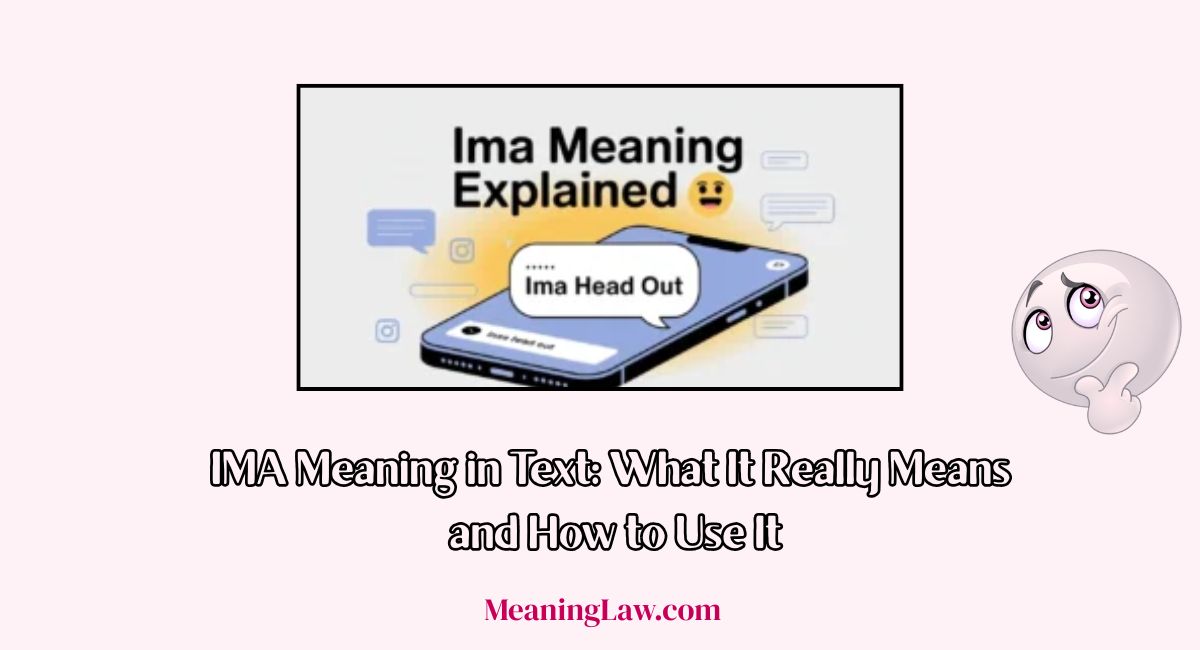
IMA is a shorthand for “I’m going to” or sometimes “I am about to.” It’s one of those quick texting abbreviations that help people communicate fast, especially in digital conversations where every character counts. Instead of typing out the full phrase, people simply write IMA and keep the conversation flowing.
Think of it as part of modern slang; it’s casual, concise, and widely understood among people who use social media and messaging apps regularly.
Origin and Background of IMA 📚
The IMA meaning in text didn’t just appear out of nowhere. Like many internet slang terms, it comes from spoken English, where people naturally shorten phrases for convenience. Early 2000s texting culture and online communities helped popularize it.
Over time, phonetic spelling became common, influenced by the need to type quickly and express future actions or intentions in chats. It’s part of the bigger trend of casual contractions that make digital communication fast and informal.
How People Use IMA in Text Conversations 💬
People use IMA in a variety of ways:
- Sharing future plans: “IMA head to the store later.”
- Expressing immediate action: “IMA grab some coffee.”
- Casual chat with friends: It fits perfectly in informal digital conversations, especially in platforms like WhatsApp, Snapchat, or TikTok.
It’s also often paired with emojis to show tone, urgency, or excitement, a subtle way of making text feel more like spoken conversation.
IMA Meaning Across Platforms 📱
The way IMA is used can vary depending on where you see it:
- Instagram/TikTok: Mostly in captions or comments to indicate plans or intentions.
- Snapchat/Discord: Quick messages to friends about what someone’s doing next.
- Dating apps: Lightheartedly letting someone know what you’re planning or about to do.
No matter the platform, the meaning stays consistent. It’s all about future actions and intent sharing in a fast-paced digital environment.
Can IMA Be Used in Professional Communication? 🏢
While IMA works perfectly in casual chats, it’s usually best avoided in professional contexts. Emails, Slack messages, or official communications call for clarity and full phrases. Using IMA in these situations can come across as informal or confusing.
If you want to be understood clearly, write out “I’m going to” instead. But in team chats with familiar colleagues, a casual IMA might be okay if everyone knows the slang.
Other Meanings of IMA ⚠️
While the most common meaning is “I’m going to”, sometimes IMA could stand for:
- Institute of Medical Assistants
- Independent Monitoring Authority
- Or even niche online communities
Context is key; the platform, audience, and conversation style usually clue you in on which meaning is intended.
IMA vs Similar Slang Terms 🔄
It’s easy to mix IMA up with other abbreviations:
- IMMA: Often used interchangeably, but slightly more expressive in tone
- Gonna: A spoken English version of “I’m going to”
- BRB, TTYL, IDK: Other texting acronyms with specific functions
Knowing these subtle differences helps you use IMA meaning in text appropriately and avoid confusion.
Why Do People Use IMA Instead of Full Words? 🧠
People use IMA because:
- It’s fast or perfect for fast-paced digital conversations
- It fits the casual contraction trend in texting
- It keeps messages short without losing meaning
- It aligns with digital messaging culture, especially among younger audiences
It’s all about efficiency while keeping the tone friendly and informal.
Popularity and Trends Over Time 📈
Over the last decade, IMA has grown in usage thanks to social media, messaging apps, and online communities. Its rise reflects the general shift toward concise, action-oriented text phrases and the influence of peer lingo in digital culture.
How to Respond When Someone Says IMA 💡
Responding depends on context:
- Casual chat: “Cool, sounds good!” or “Got it 😎”
- Future plans: Ask a follow-up: “IMA join you later?”
- Professional setting: Stick to formal acknowledgment: “Thanks, I’ll take note.”
The goal is to match the tone of the original message.
Common Mistakes and Misconceptions 🚫
Knowing these pitfalls ensures you use IMA meaning in text correctly every time.
- Confusing IMA with IMMA — subtle difference in tone
- Using it in formal emails — not recommended
- Misunderstanding platform context — what works on TikTok might not work on Slack
Related Slang You Should Know 🔗
To better navigate online conversations, it helps to know:
- BRB – Be right back
- TTYL – Talk to you later
- IDK – I don’t know
- Gonna / IMMA – Variations of “I’m going to”
These help you communicate clearly in informal digital conversations.
Conclusion
Understanding IMA meaning in text isn’t just about knowing an abbreviation. It’s about decoding casual communication trends, digital conversation style, and contextual intent. Whether you’re texting friends, posting on social media, or navigating online communities, knowing when and how to use IMA keeps your messages clear, friendly, and modern.
Want to master modern English and text meanings? Check out MeaningLaw to level up your language skills and communicate confidently!